

Toshiya Watanabe
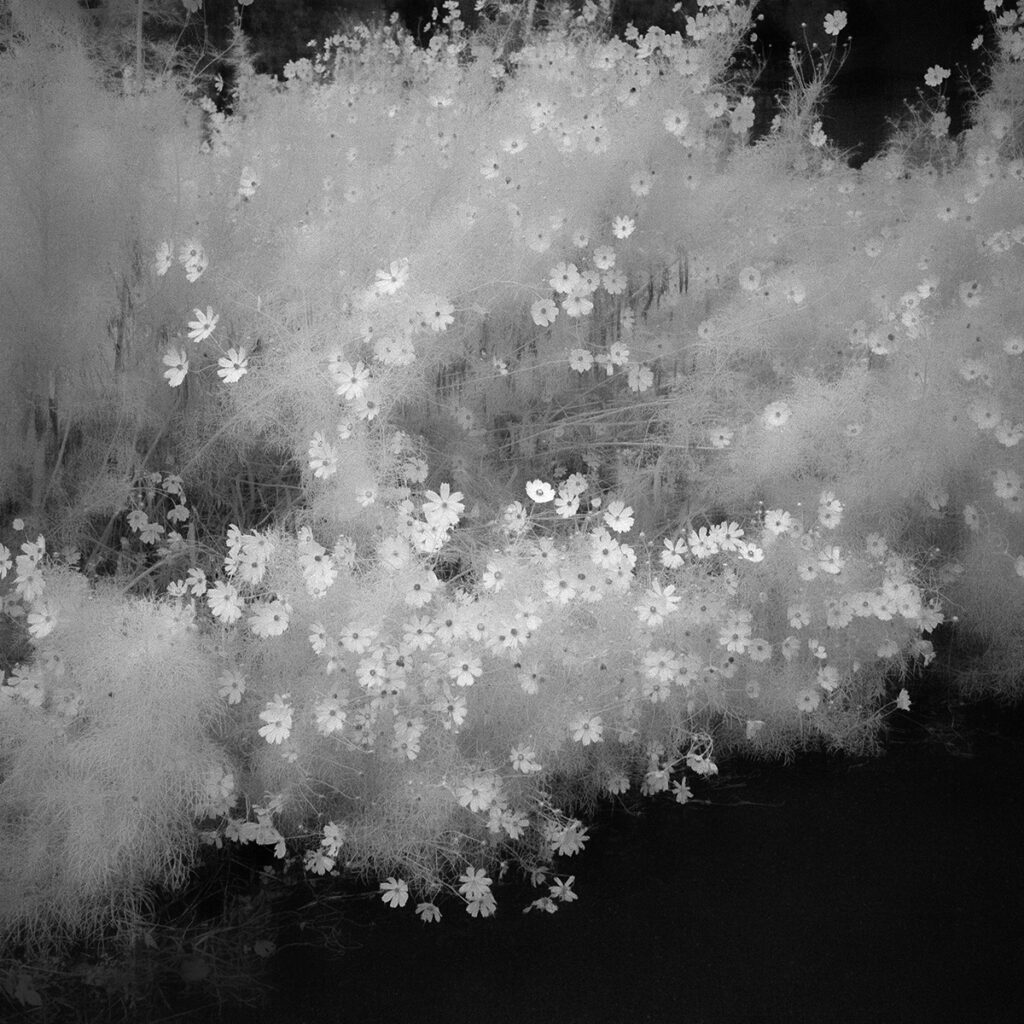
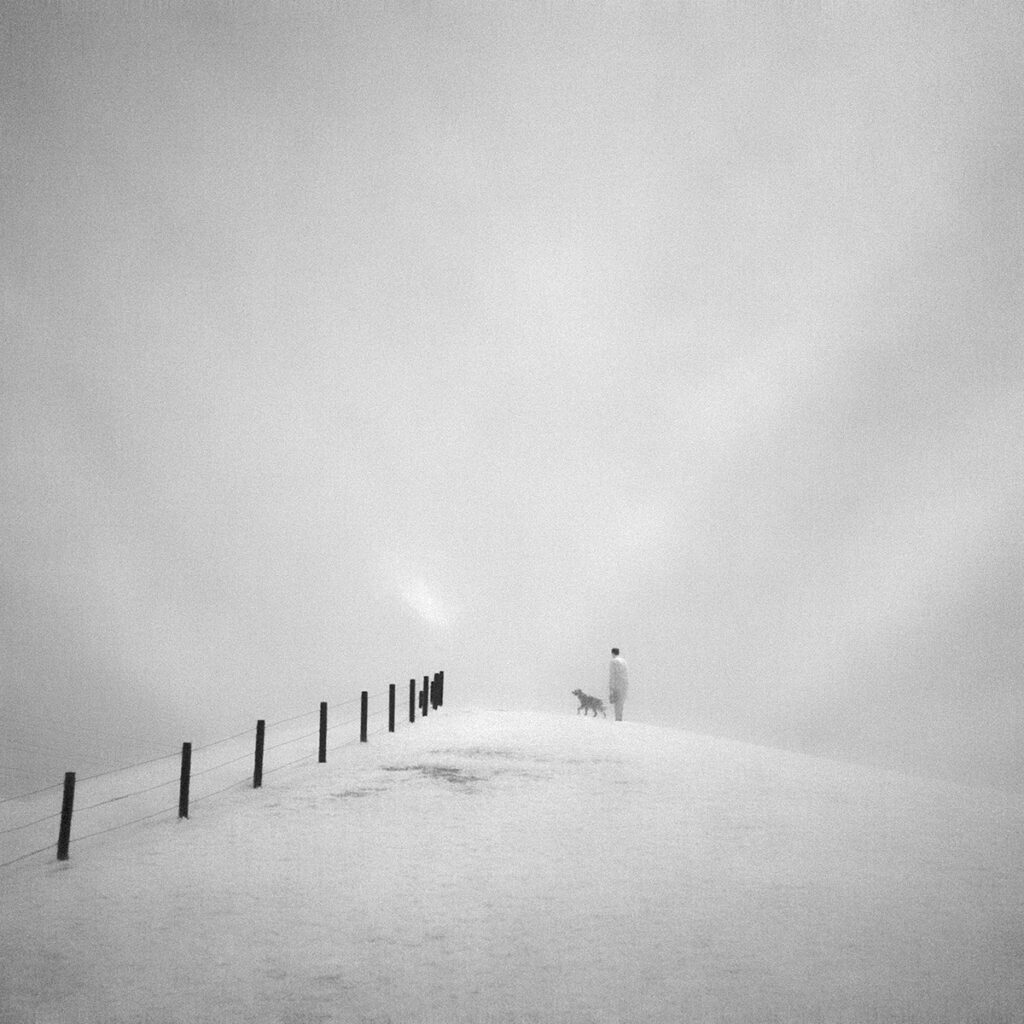
「単一の感情ではなく、複数の感情が交錯する作品を目指しています」
– 渡部 敏哉
“I aim to create works that intertwine multiple emotions rather than a single emotion.”
-Toshiya Watanabe
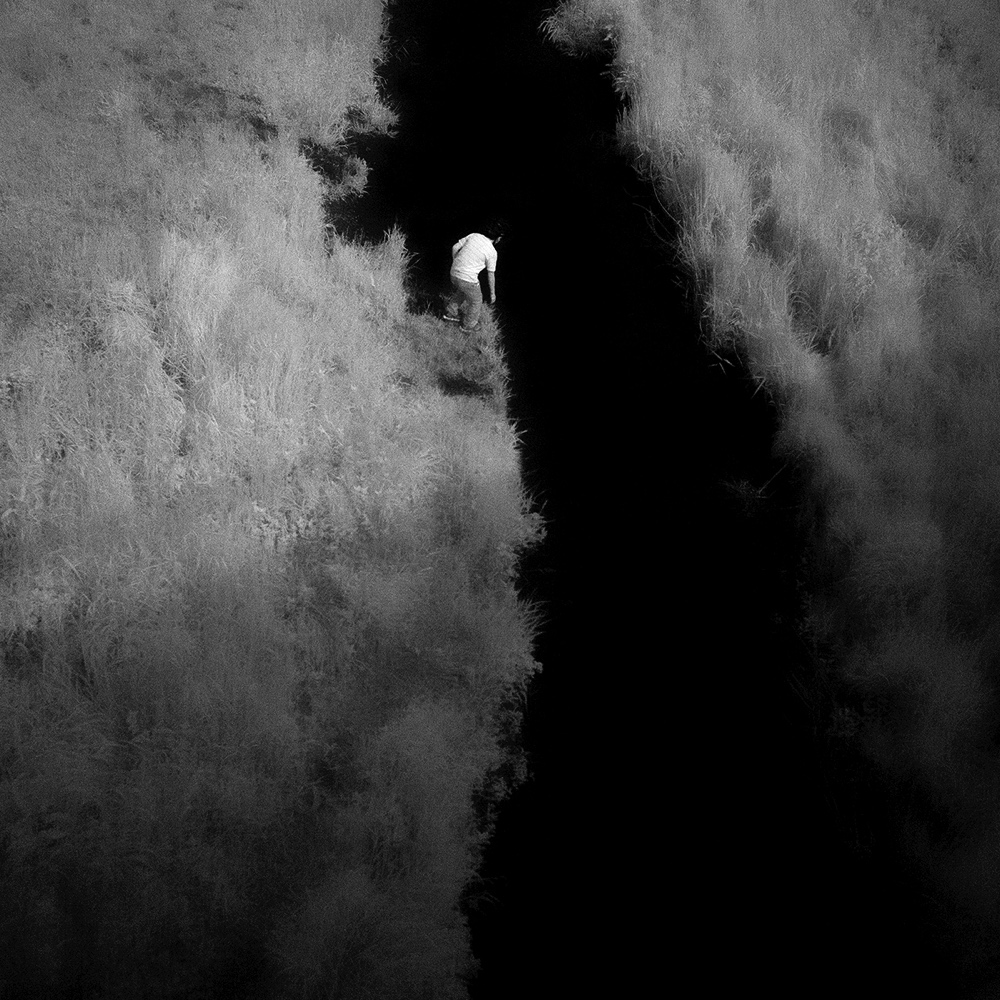
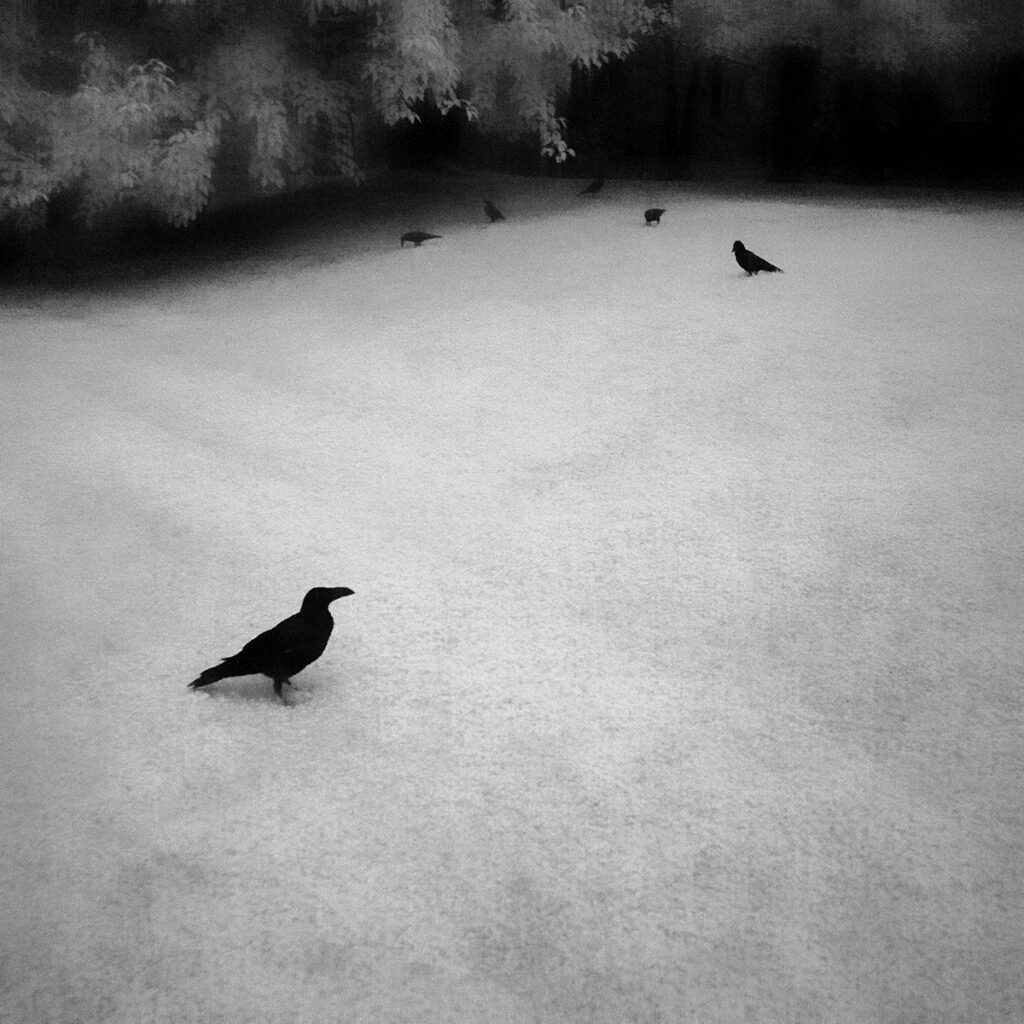
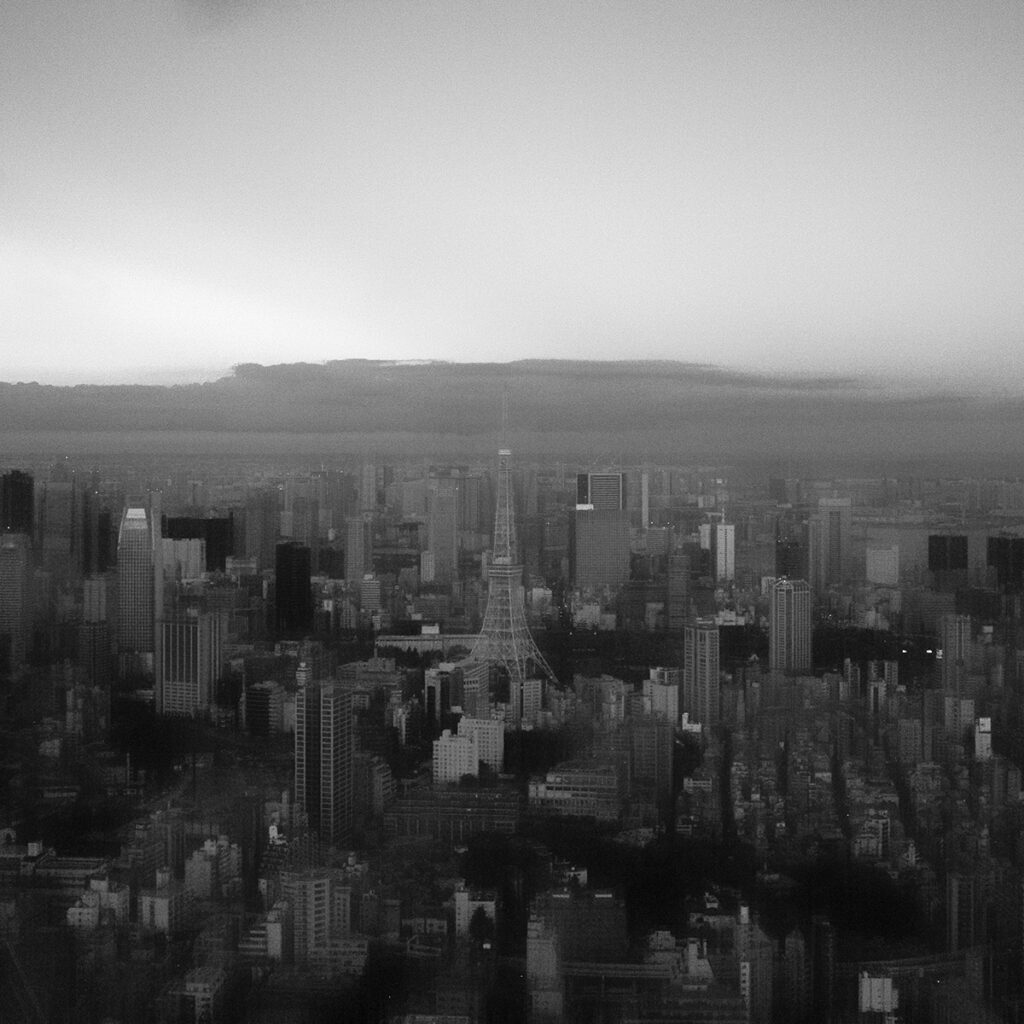
福島県出身の写真家/アートディレクター 渡部敏哉氏は、東日本大震災の時に故郷で起こった原発事故をきっかけに、日常の中に潜む非日常のイメージをモノクロームで表現し始めました。渡部氏は、自身の意識の奥底にある風景を、リアリティがありながらもどこか魔法にかかったような幻想的なイメージとして表現し、私たちを別世界へと連れて行ってくれます。
この度 Gallery Photographsでは、渡部氏のモノクロ作品シリーズ「Somewhere not Here」と「Beyond what you see」より20点の作品をご紹介させていただきます。独自に取材したインタビュー記事も含めて、どうぞお楽しみくださいませ。
Photographer/Art director Toshiya Watanabe, originally from Fukushima Prefecture, started capturing the images of extraordinary hidden in the everyday through monochrome photography after the nuclear accident that occurred in his hometown during the Great East Japan Earthquake. He expresses the landscapes deep within his consciousness as beautiful images that are realistic yet somehow magical, transporting us to another world.
Gallery Photographs is pleased to present 20 works from his monochrome series “Somewhere not Here” and “Beyond what you see”. We hope you enjoy his amazing works as well as the exclusive interview with him.
オリジナル・インタビュー / ORIGINAL INTERVIEW
-まず、写真を始めたきっかけを教えていただけますか?
多摩美術大学のグラフィックデザイン科で写真を学んだ際、これは自分に合った表現方法だと感じました。そして、在学中にPARCOが主催する写真のコンペ「期待される若手写真家20人」に選ばれたことが、写真を使った表現活動を始める大きなきっかけとなりました。
-Firstly, will you tell us how you started photography?
When I studied photography at the Graphic Design Department of Tama Art University, I felt that this was the method of expression that suited me. Then, while I was still a student there, I got selected as one of the “20 promising young photographers” in a photography competition hosted by PARCO*, which became a major catalyst for me to start expressing myself through photography.
(*PARCO is a Japanese retail company that operates fashion malls called “PARCO” mainly in major cities both in Japan and overseas.)
-今回このオンライン展覧会でご紹介くださっている作品について教えてください。
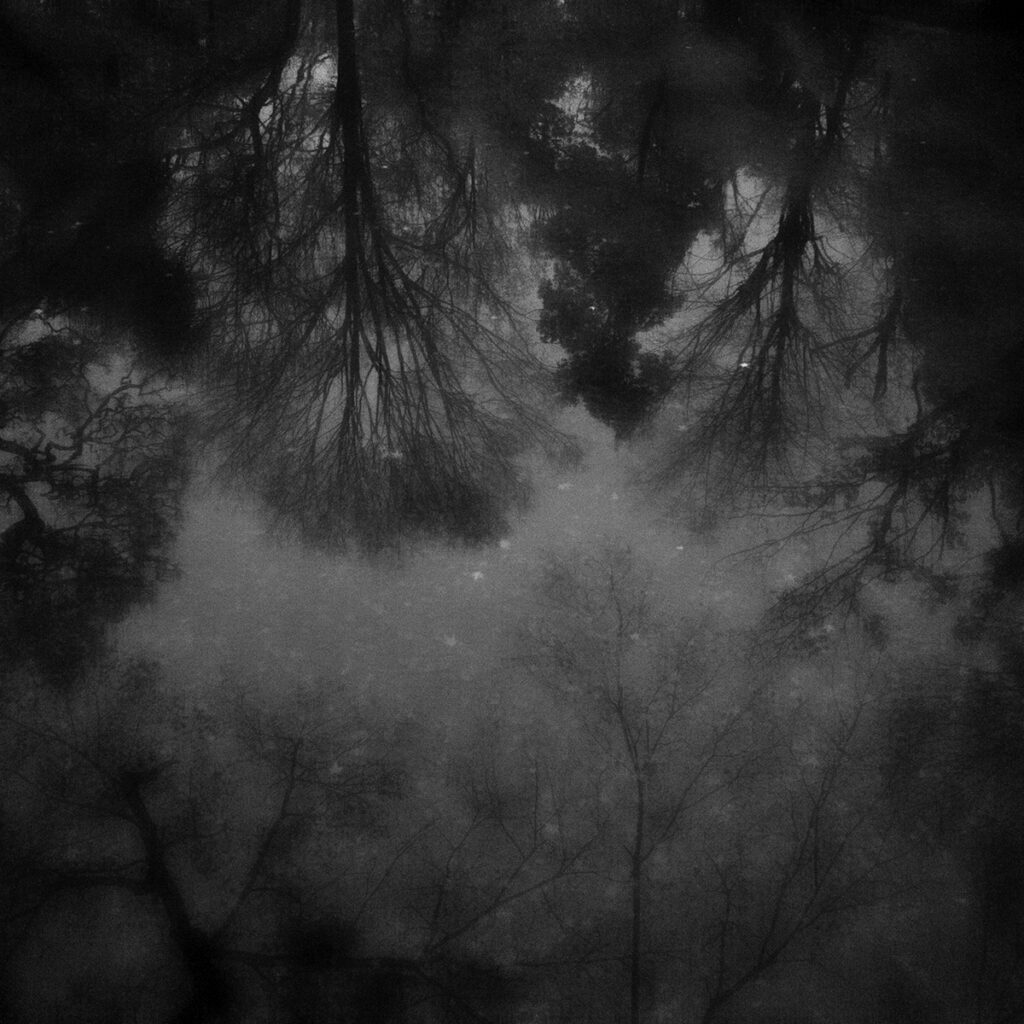
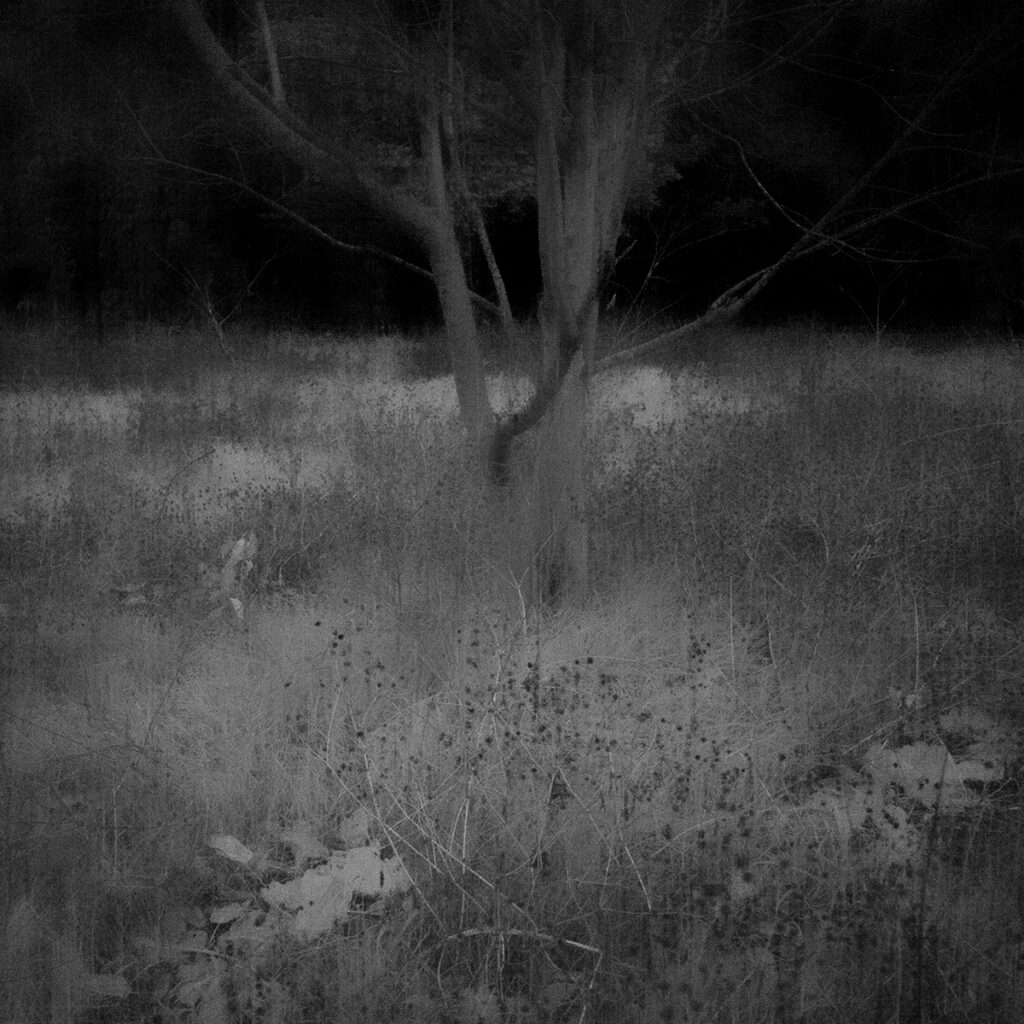
このモノクロシリーズは、2015 年頃から始めたもので、日常の中に潜む非日常のイメージをモノクロームで表現しています。そのきっかけとなったのは、2011 年3 月11 日の原発事故で、私の故郷が人の住めない場所になった強烈な経験からでした。2011 年、私は立ち入りが禁止された故郷の風景を撮影し始めました。そこには、誰も住めなくなった町(非日常)があり、その変わりゆく様子を、自分の記憶に残る日常の風景と重ねて撮影しています。この記録は「Thereafter」としてまとめられ、STEIDL より写真集として刊行される予定です。
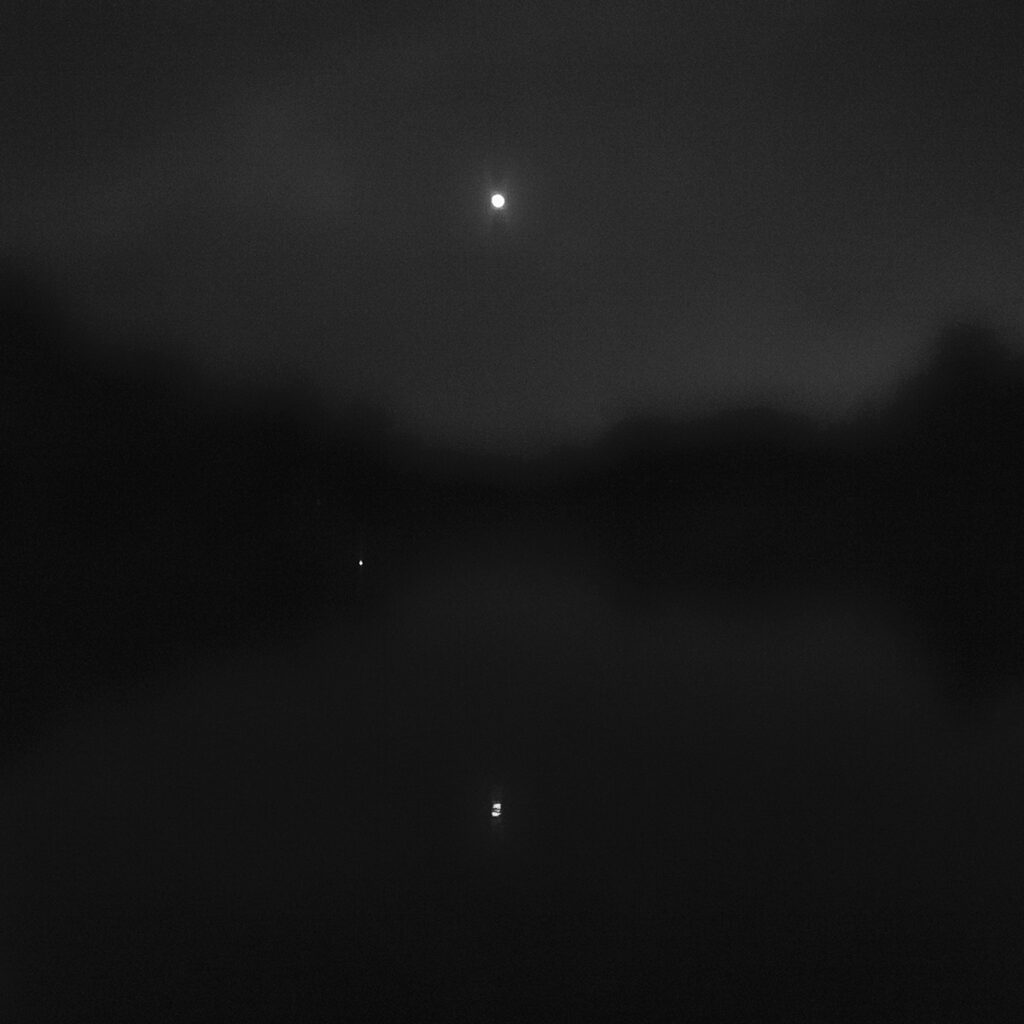
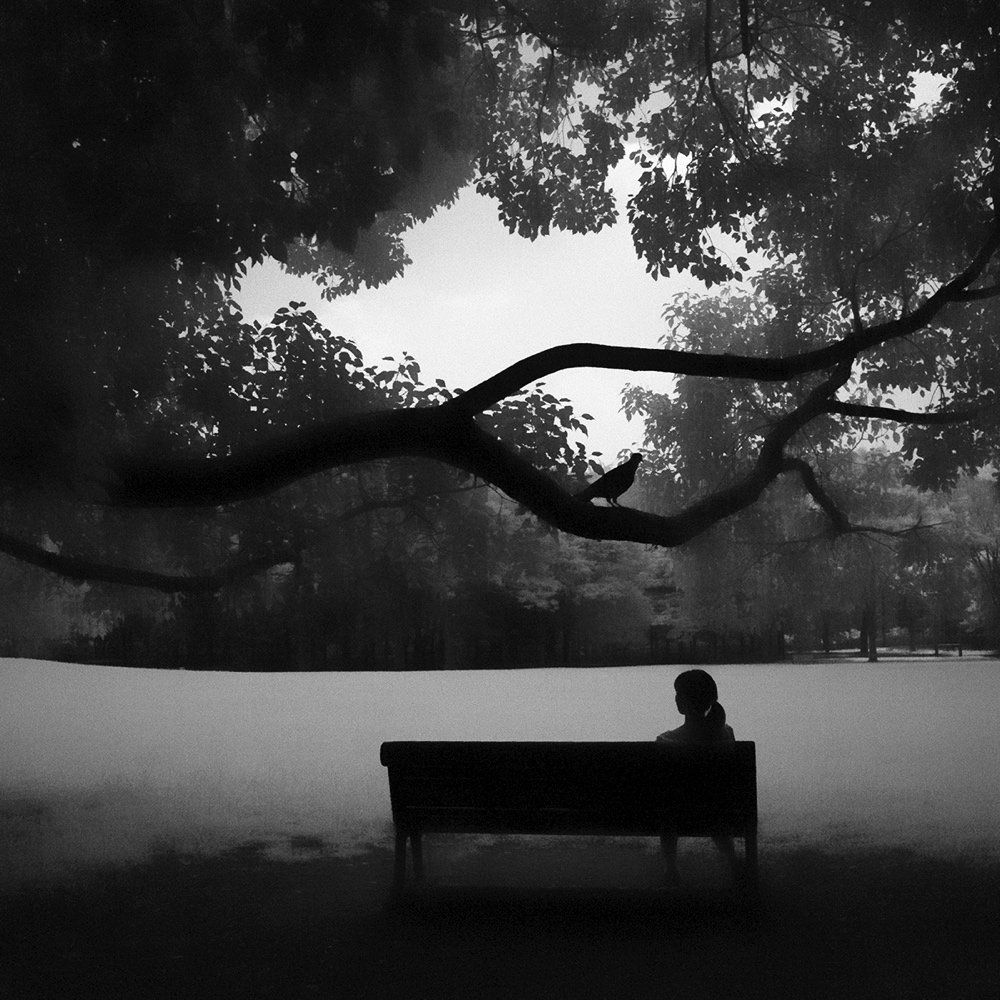
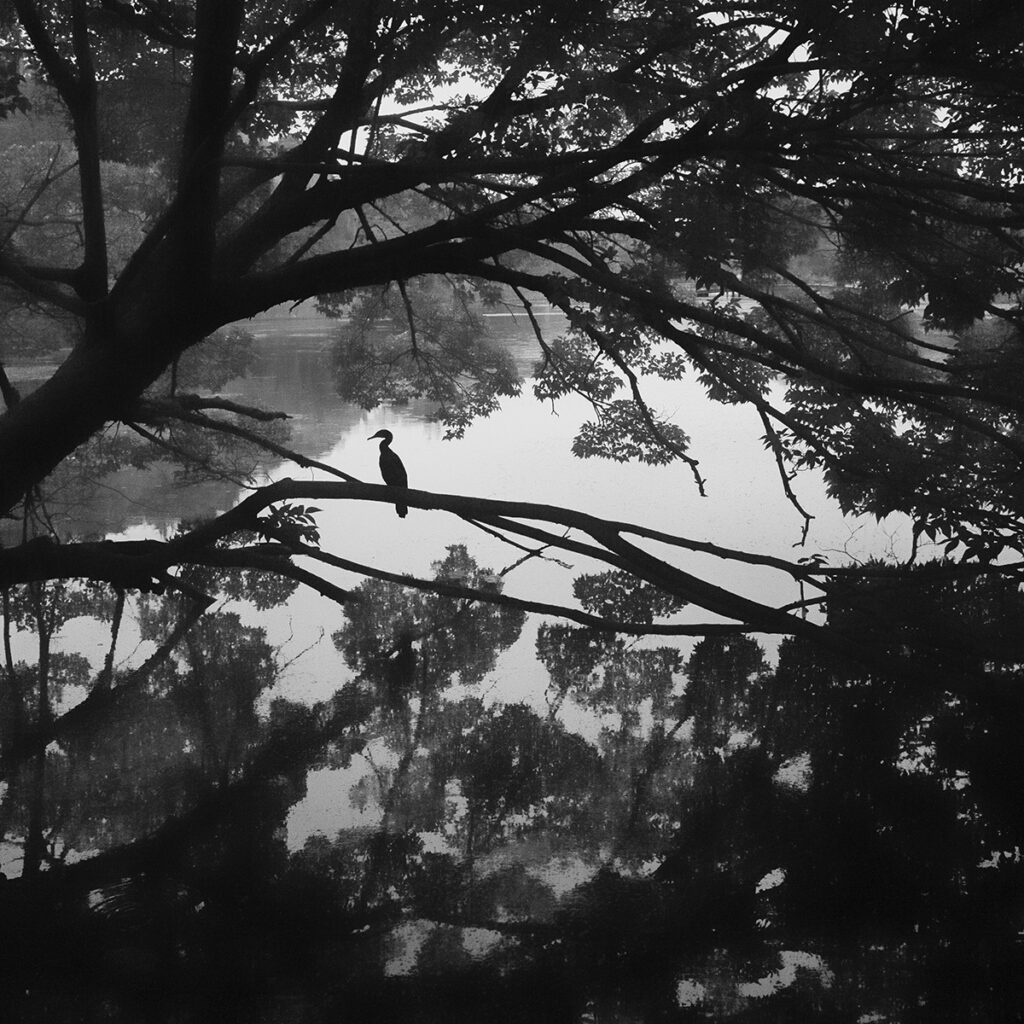
私の最初のモノクロシリーズ「Somewhere not Here」は、「Thereafter」と対を成す作品として発表されました。このシリーズでは、「自分の意識の奥底にあるイメージを写真で掬い上げること」をテーマに制作を続けてきましたが、制作を重ねるうちに表現が変化していきました。記憶の曖昧さや変容の視覚化、生と死、「間」という概念、詩のような余韻、ゲシュタルト崩壊など、さまざまな要素が作品に含まれるようになってきています。
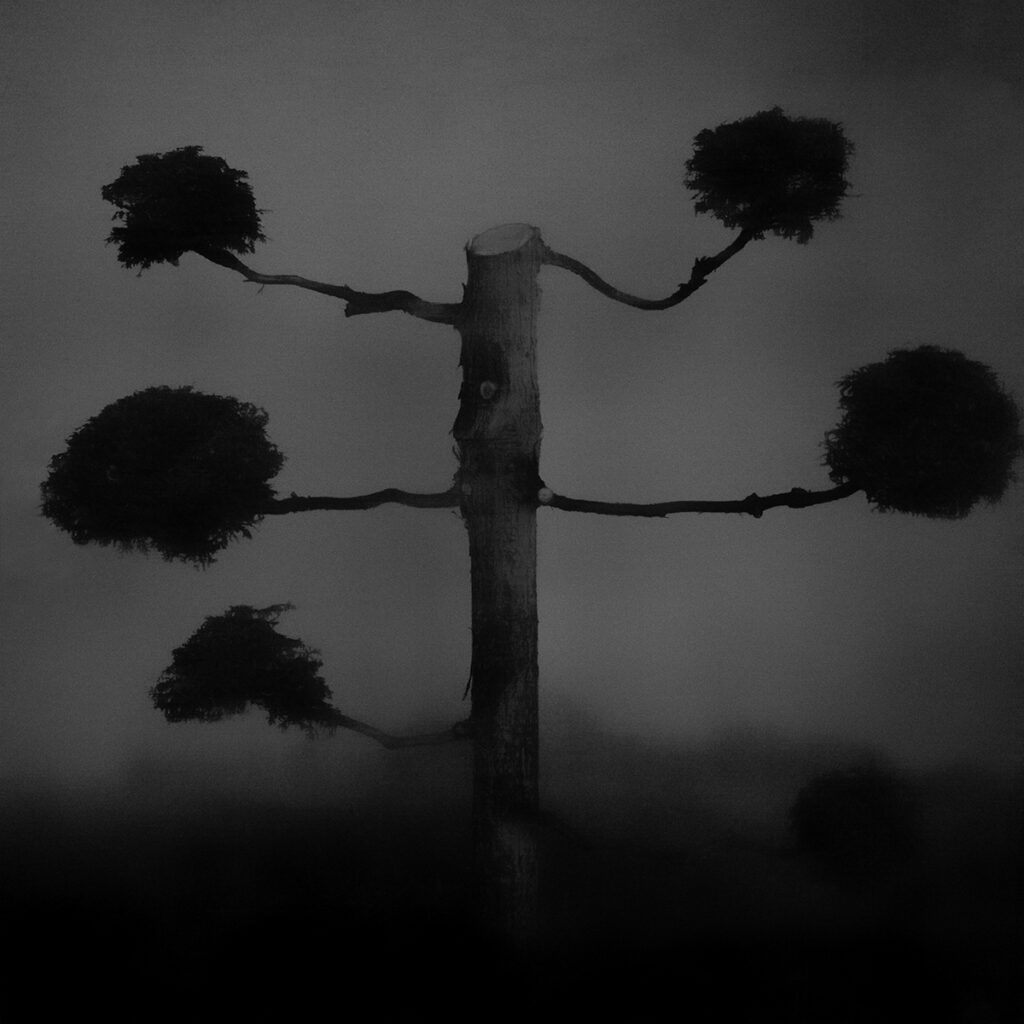
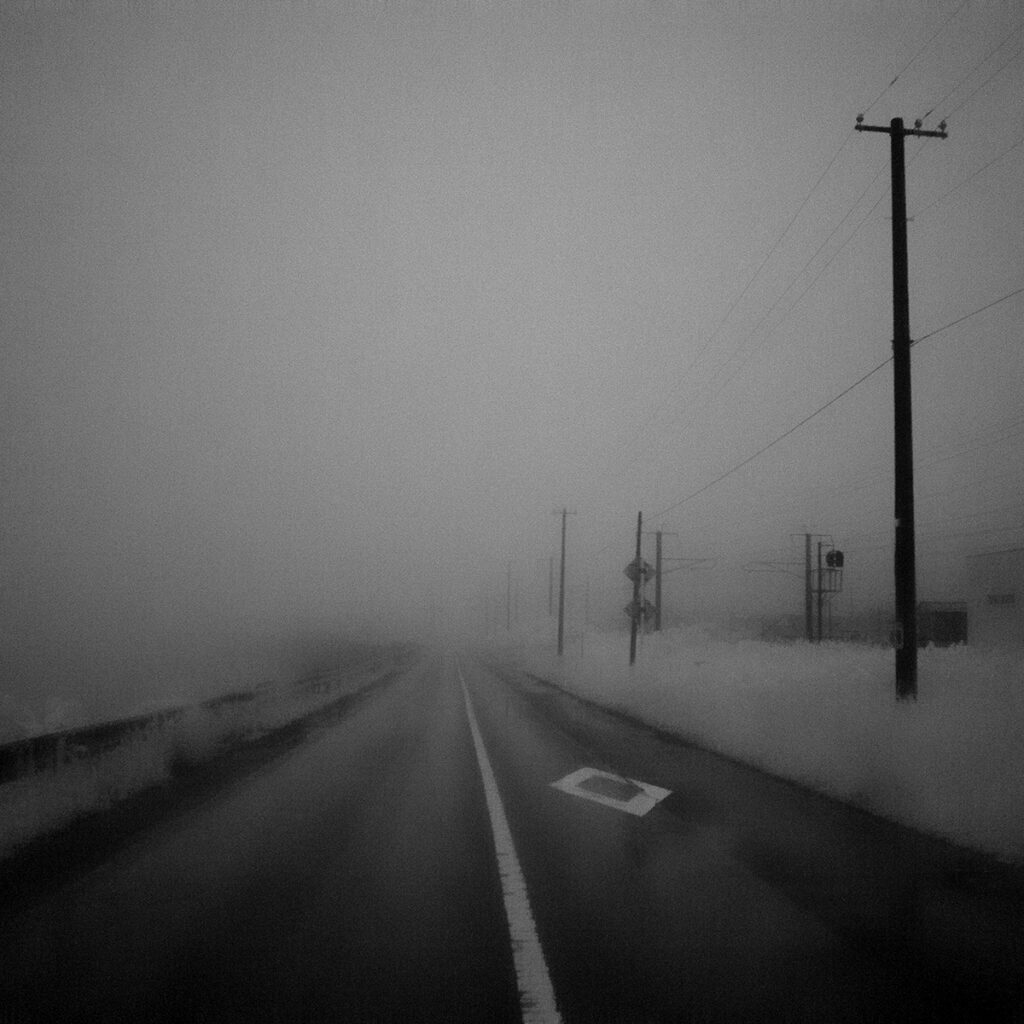
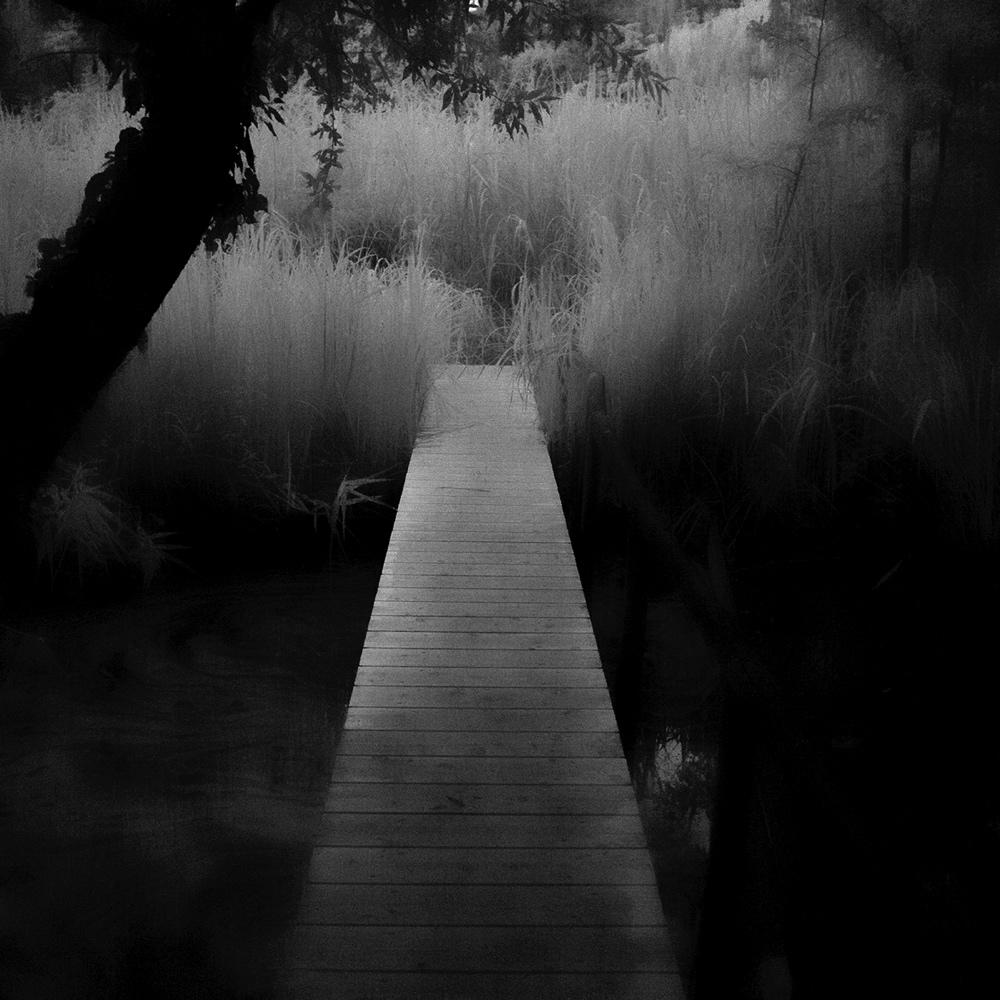
新たなシリーズ「Beyond what you see」では、それらの要素に加えて、鑑賞者が自身の記憶や感情を呼び起こし、作品と共鳴するような表現を意識しています。「安らぎ」と「不安」、「美しさ」と「恐れ」など、単一の感情ではなく、複数の感情が交錯する作品を目指しています。
私は遠くへ撮影に出かけることはあまりなく、普段の生活の中で出会った風景を撮影することが多いです。撮影後は、半年から1 年ほど時間を置いて写真を見返すようにしています。そうすることで、撮影時の感情や記憶が少し曖昧になった状態で、自分の内面と響き合う画像を探し出します。時には2 年、5 年といった時間を経て過去の写真と向き合うことで、新たな発見が得られることもあります。
-Please tell us about your photographic series of works that are shown in this online exhibition.
I started this monochrome series around 2015, and I’ve been expressing images of extraordinary hidden in the everyday lives through monochrome photography.What triggered this was the intense experience I had when the nuclear accident on March 11, 2011, turned my hometown into an uninhabitable place. In 2011, I began photographing the scenery of my hometown, which had been declared off-limits to the public. There was a town where no one could live (=extraordinary), and I photographed its changing appearance,overlaying it with everyday scenes that remain in my memory. This journal has been compiled as “Thereafter” and will be published as a photo book by STEIDL.
My first monochrome series, “Somewhere not Here,” was released as a companion work to “Thereafter”. In this series, I have continued to create works based on the theme of “scooping up images from the depths of my consciousness through photography,” but the way of my expression has changed as I have continued to create. My work has come to include a variety of elements, such as the ambiguity of memory, the visualization of transformation, life and death, the concept of “間 – ma,” poetic lingering impressions, and Gestalt collapse.
In addition to these elements, my new series “Beyond What You See” is created with the intension of evoking the viewer’s own memories and emotions and resonate with the work. I aim to create works that intertwine multiple emotions, such as “comfort” and “anxiety,” “beauty” and “fear,” rather than a single emotion.
I don’t usually travel far to take photographs, but I often photograph the scenery I come across in my daily life. After taking photographs, I like to wait about six months to a year before looking at them again. By doing so, I can find images that resonate with my inner self when the emotions and memories at the time of taking the photos have become a little vague. Sometimes, by facing old photos after two or five years, I can make new discoveries.
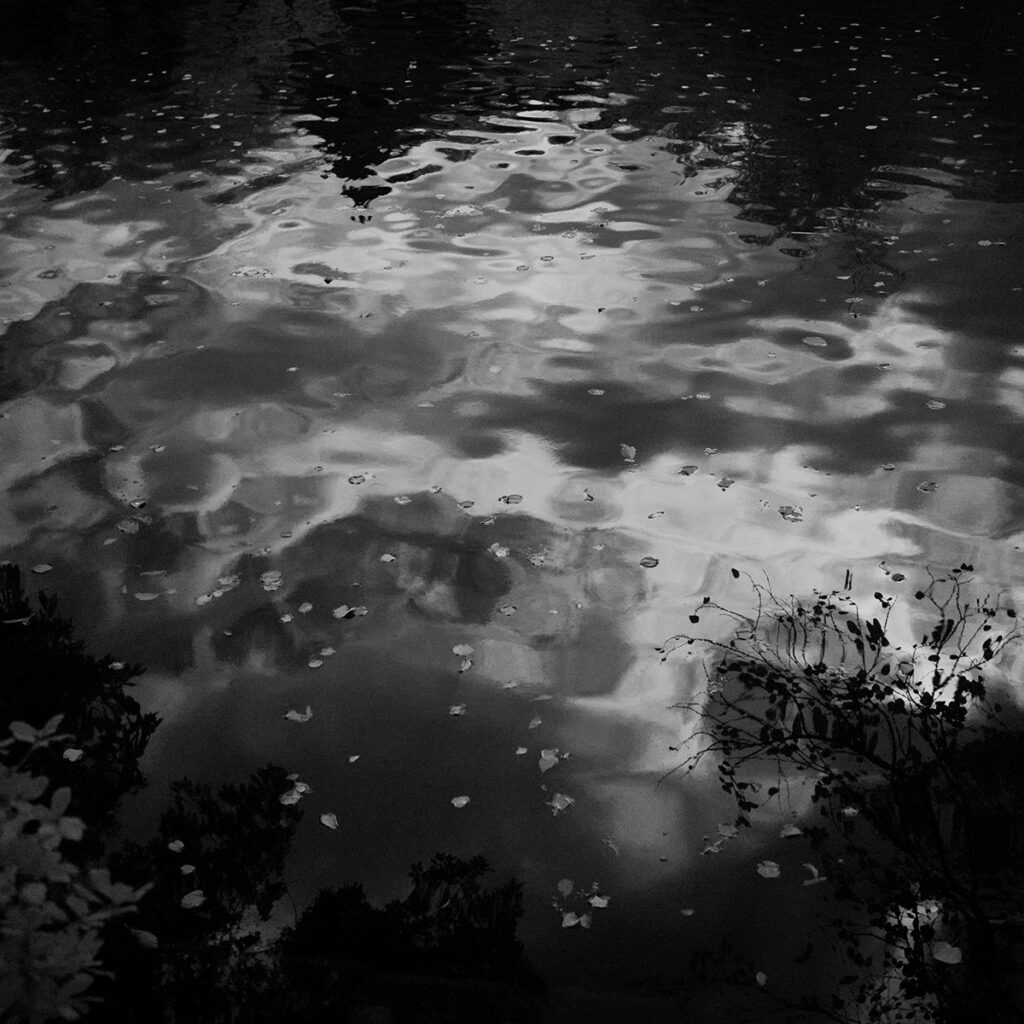
-渡部さんの作品は、リアリティがありながらもどこか幻想的な雰囲気が感じられます。このような雰囲気は、作品を制作する際に意図して作り出されているのでしょうか?
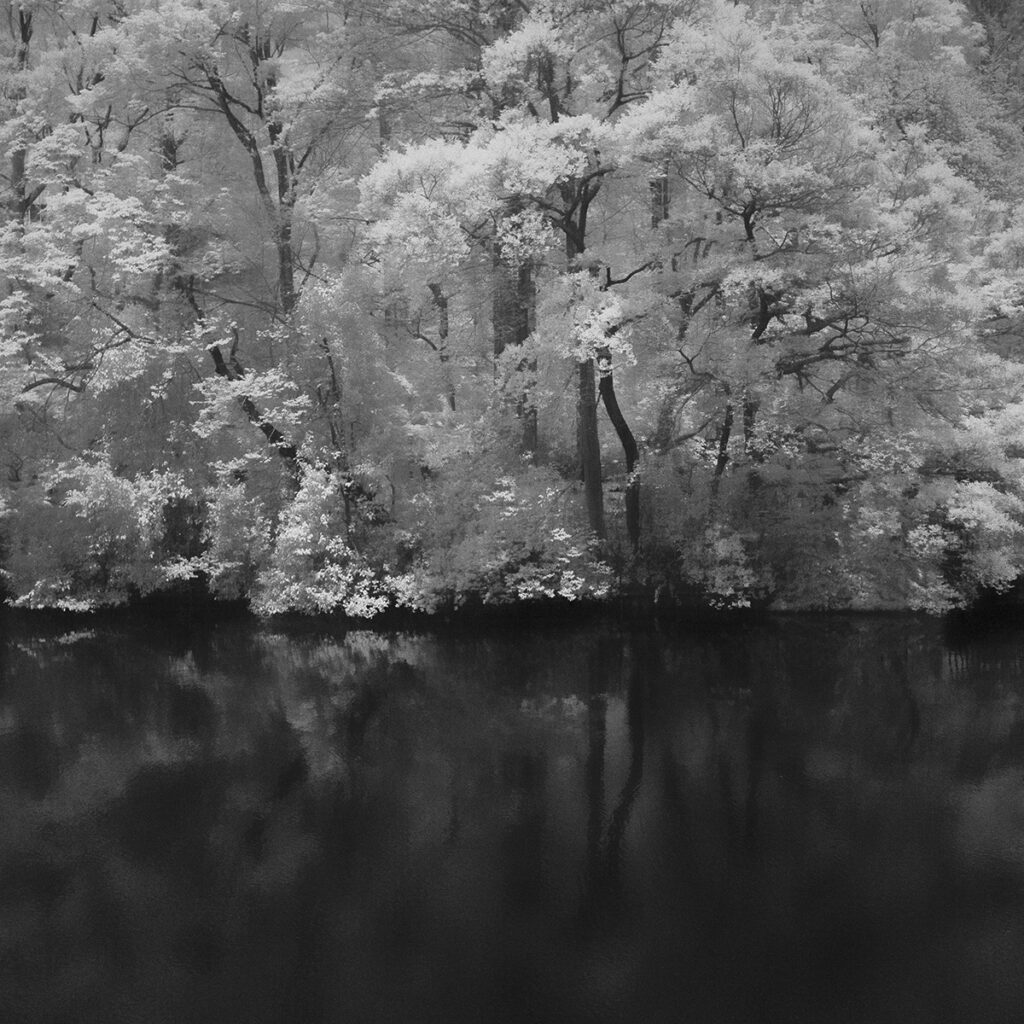
現実を離れ、誰かの記憶の断片のような曖昧なイメージ、写真とも絵画ともつかない世界観を意識しながら制作しています。
-Your works feels grounded in reality, yet it also carries a somewhat dreamlike, ethereal quality. Do you intentionally create this kind of atmosphere when you create your works?
I consciously create works that are far removed from reality, with vague images that resemble fragments of someone’s memories, and an ambiance that is neither a photograph nor a painting.
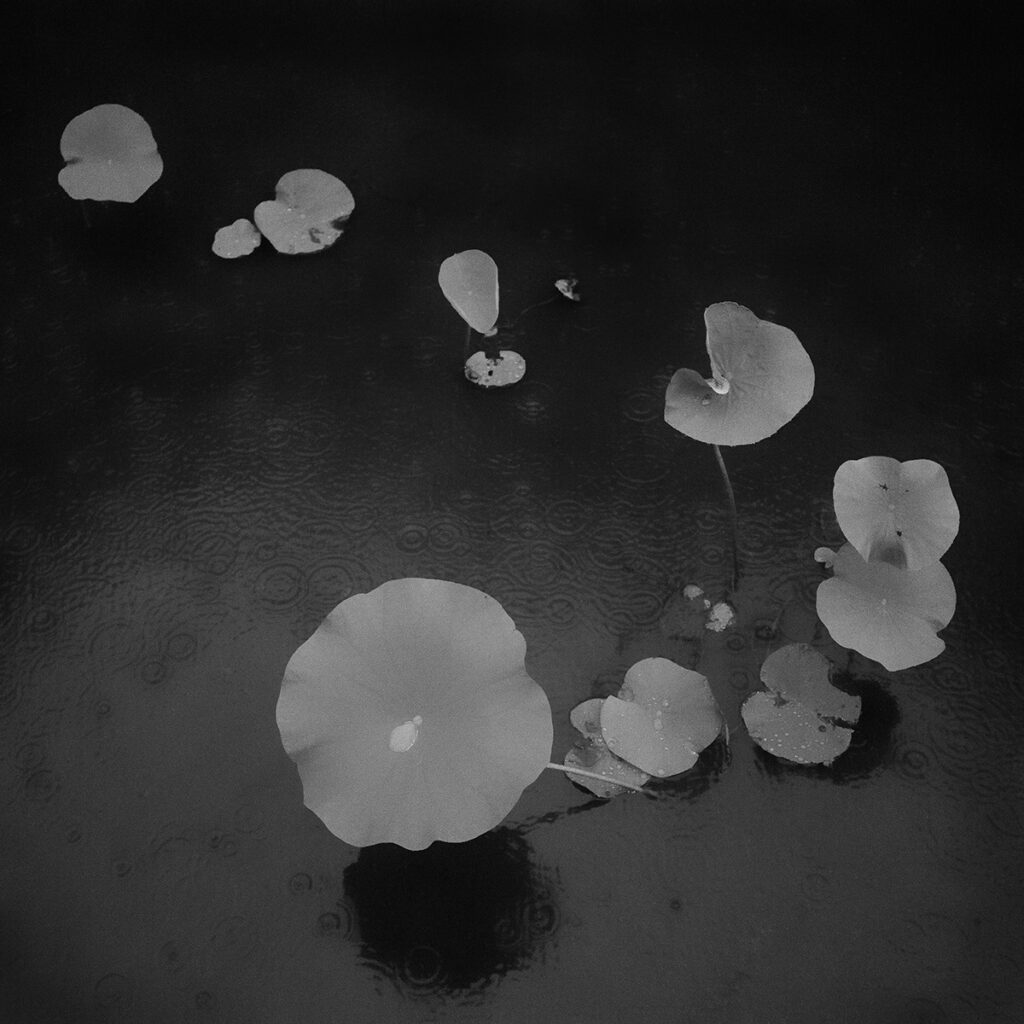
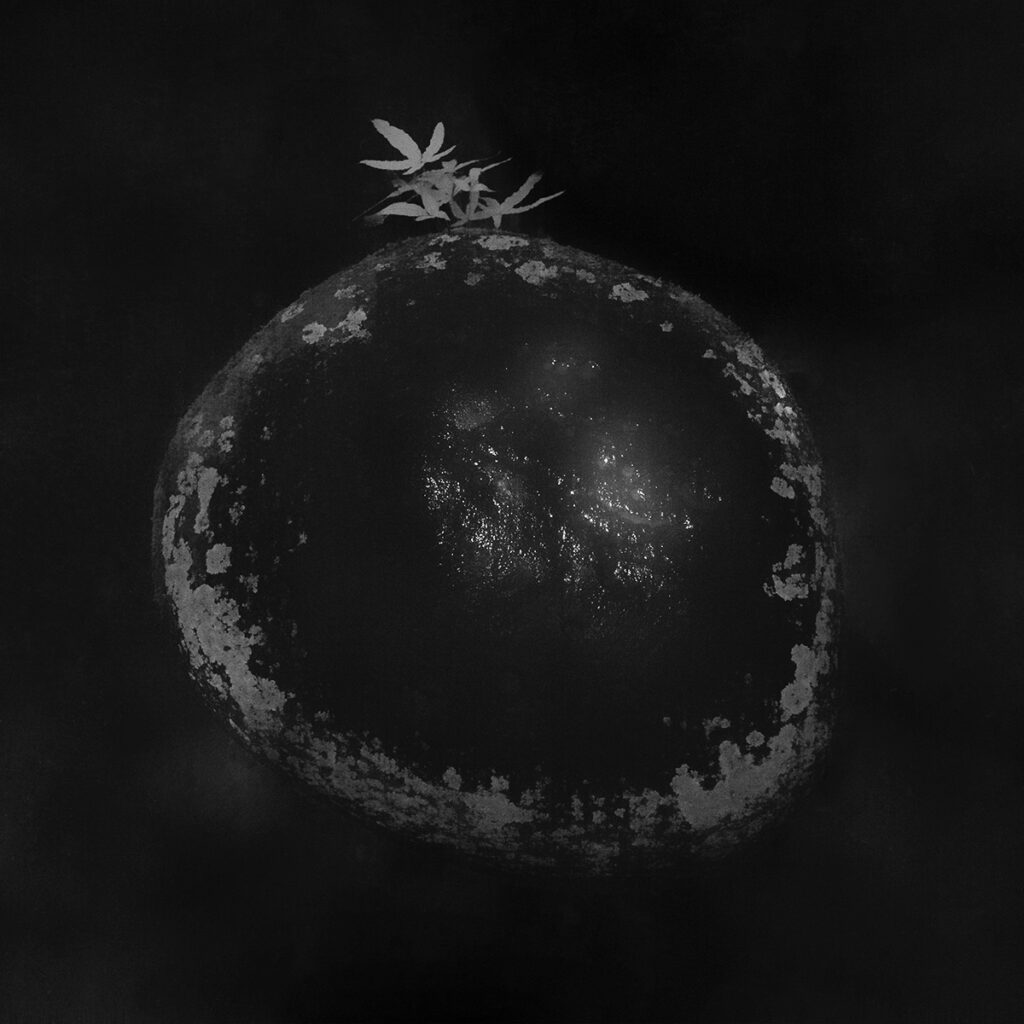
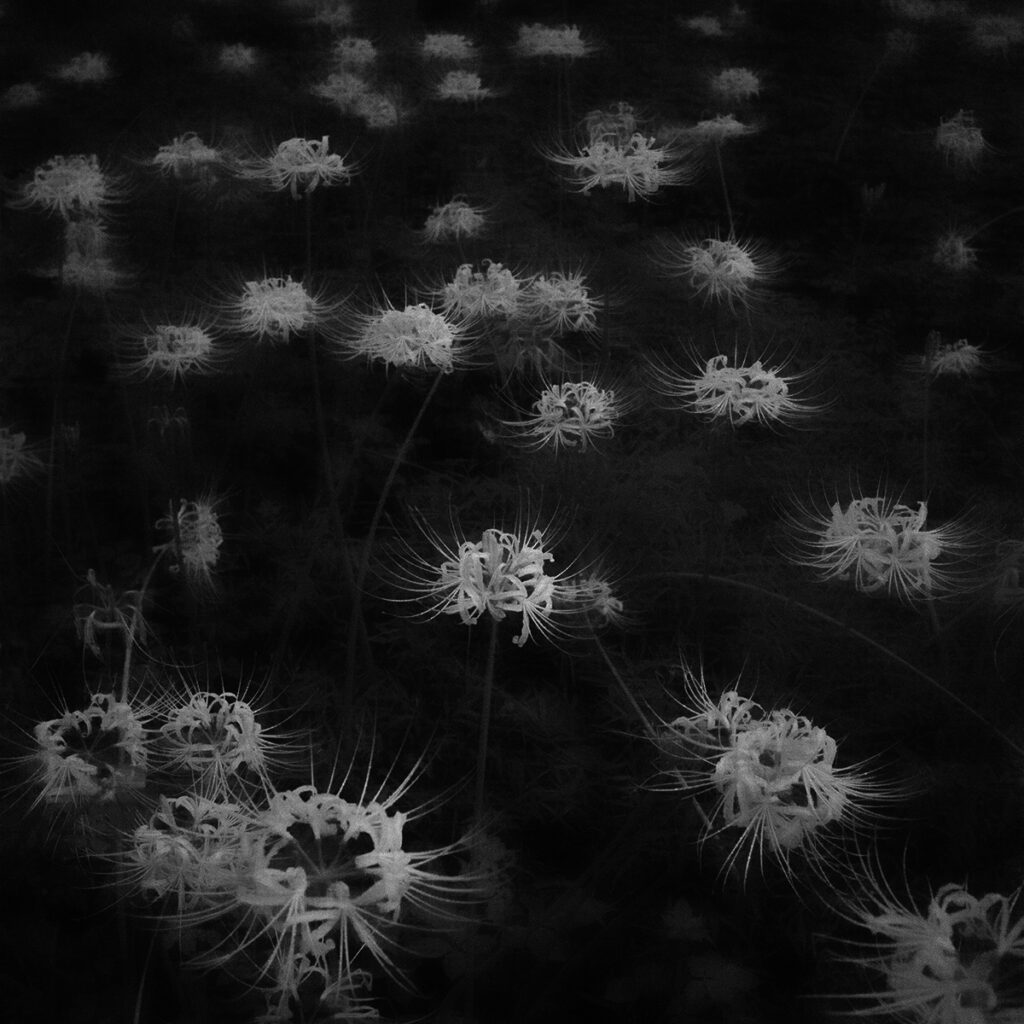
-日本の自然や風景の美しさや情緒を捉えた作品が非常に印象的ですが、制作過程において、日本人であることや日本から発信しているアートだということを意識して制作されているのでしょうか?
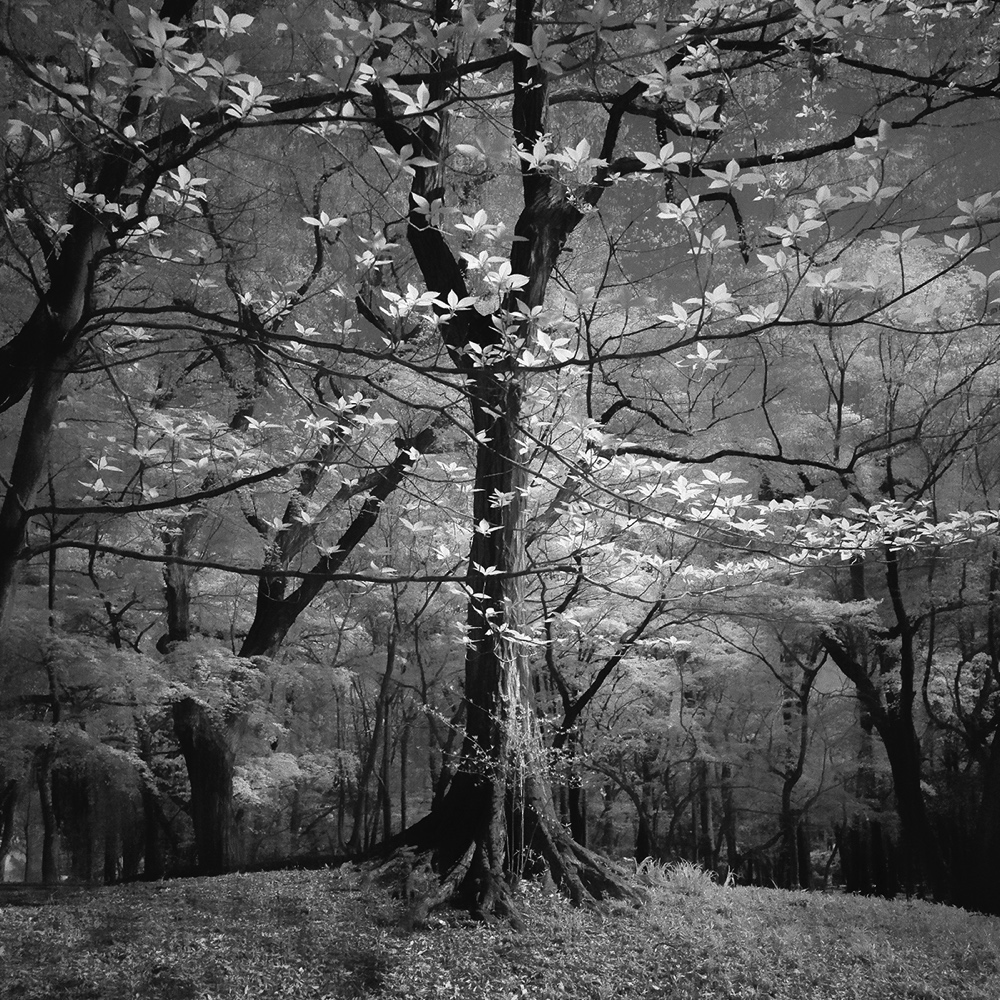
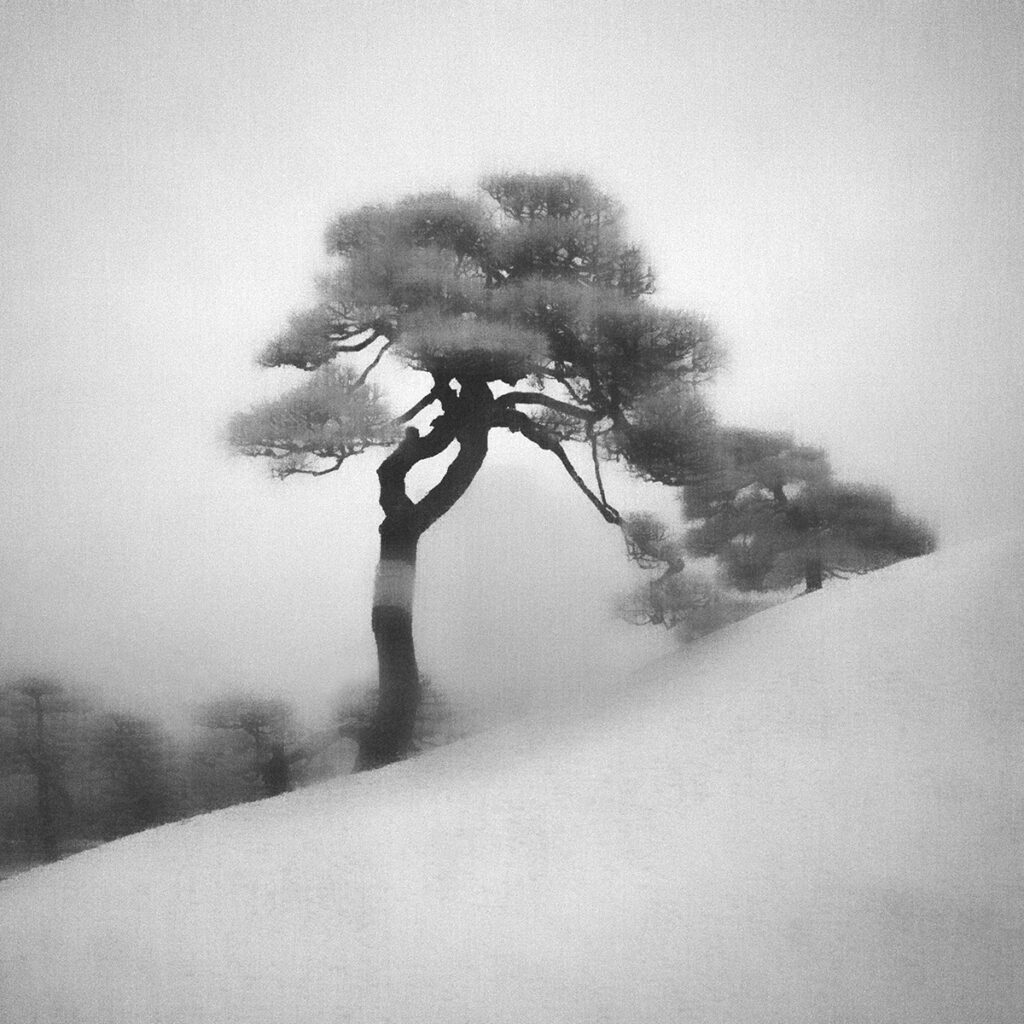
私の作品に日本的な風景や情緒が表れるのは、福島県の自然豊かな環境で生まれ育ったことと、高校時代に日本画描いていた経験が影響しているのかもしれません。海外のギャラリーに所属するようになってからは、自分が日本人作家であることをより強く意識するようになりました。
-Your works capture the beauty and the sensibility of Japanese nature and landscapes, which is very impressive. While your creative process, are you conscious of being Japanese and creating art that originates in Japan?
The Japanese landscapes and sensibilities that appear in my works may be due to the fact that I was born and raised in the rich natural environment of Fukushima Prefecture, as well as my experience of drawing Nihonga (traditional Japanese style paintings) in high school. After becoming affiliated with an overseas gallery, I became more aware of myself as a Japanese artist.
-モノクロの作品シリーズが多いようですが、Black & Whiteにこだわって制作している理由などはあるのでしょうか?
モノクロームは、カラーよりもイメージを抽象化しやすく、伝えたいことをより明確に表現できる点に面白さを感じています。自身の内面を表現する手法として、とても合っていると考えています。一方、福島のシリーズ「Thereafter」などは、記録性を重視しているためカラーを用いています。
-It seems that you often create your works in monochrome style, but do you have any specific reason to why you are committed to black and white photographs?
I find monochrome particularly compelling because it allows for greater abstraction of images than color, making it easier to convey the essence of what I want to express. It feels like a natural fit for exploring and representing my inner world. On the other hand, for the projects like the Fukushima series “Thereafter”, I use colorsbecause I place importance on the documentary aspect of the work.
-使用しているカメラ機材に何かこだわりはありますか?
カメラに対する強いこだわりはありません。このモノクロシリーズは、スナップショットがベースなので、常に持ち歩けるコンパクトカメラで撮影する事が多いです。
-Do you have any particular preference regarding cameras (equipment) you use?
I don’t have any strong preferences regarding cameras. Since this monochrome series is based on snapshots, I usually shoot with a compact camera that I can carry with me at all times.
-作品制作に影響を受けたアーティストや写真家はいらっしゃいますか?
写真を始めた頃は、ニュートポグラフィー*1のルイス・ボルツ、リチャード・ミズラック、そしてニューカラー*2のジョエル・スターンフェルド、ジョエル・マイエロウィッツの作品に強く惹かれました。モノクロ写真だと、マット・マハリン、ロッキー・シェンク、マイケル・ケンナの作り出す世界観に魅力を感じていました。
その他にも多くの作家から影響を受けていますし、アートディレクターとして影響を受けたグラフィックデザインや映像、建築なども、自分の作品に反映されていると考えています。
(*1: ニュートポグラフィクスとは、1970年代にアメリカで起こった風景写真の新たな潮流 / *2: ニューカラーフォトグラフィーとは、1970年代に登場した、カラー・フィルムを使用して撮られた写真作品のこと)
-Is there any artist or photographer that has inspired your works?
When I started taking photographs, I was strongly attracted to the works of Lewis Baltz and Richard Misrach of New Topographics*1, and Joel Sternfeld and Joel Meyerowitz of New Color photography*2. When it comes to black and white photography, I was fascinated by the worldviews created by Matt Mahurin, Rocky Schenck, and Michael Kenna.
I have been influenced by many other artists, and I believe that the graphic design, video, and architecture that influenced me as an art director are also reflected in my works.
(*1: New Topographics is a new trend in landscape photography that took place in the United States in the 1970s. /*2: New Color Photography refers to photographic works that appeared in the 1970s and was taken using color film.)
-将来的に何かやりたいことや、今すでに考えていることがあれば教えてください。
昨年は海外のギャラリーで個展や、いくつかのアートフェアに参加することができました。これをさらに広げていきたいと思っています。
STEIDLと写真集制作を進めている、故郷の福島県浪江町や浜通り地区を記録するプロジェクトは、これからも続けていきます。そしてこの記録写真を、いつか美術館でも発表したいと思っています。
他にも、アートディレクターとして写真集を作る仕事にも関われたらと考えています。
– Please tell us if you have something you want to do in the future or any project you already have in mind.
Last year, I was able to hold solo exhibitions at galleries overseas and participate in several art fairs. I would like to expand this further.
I will continue to document my hometown, Namie-cho and Hamadori district in Fukushima Prefecture as a phorographic project, which I am currently working on with STEIDL to produce a photo book. I would also like to exhibit these documentary photographs at an art museum someday.
Besides, I would also like to be involved in the creation of a photo book as an art director.
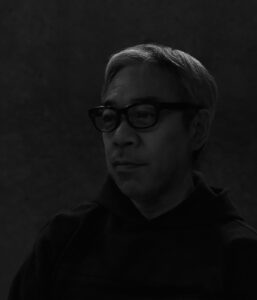
Toshiya Watanabe / 渡部 敏哉
1966 年福島県生まれ。1990 年多摩美術大学グラフィックデザイン科卒業。在学中にPARCO が主催する「期待される若手写真家20 人展」に選出される。
International photography award 2013 1 位、STEIDL BOOK AWARD JAPAN2016 グランプリ、Hariban Award 2019 審査員特別賞受賞を受賞。個展に「18 months」、「THROUGH THE FROZEN WINDOW」、「Somwhere not Here」POETIC SCAPE、「Beyond what you see」IBASHO gallery(ベルギー)がある。写真集「Somewhere not Here」、「Beyond what you see」が the (M)éditions(フランス)とIBASHO(ベルギー)の共同で出版された。「あれから/ Thereafter」がSTEIDL から出版予定。
現在、広告代理店でアートディレクターを勤めながら写真を使った作品制作を続けている。
*作品等に関するお問い合わせはこちらまで – POETIC SCAPE (email: front-desk@poetic-scape.com)
Born in Fukushima Prefecture, Japan in 1966. Graduated from the Graphic Design Department of Tama Art University in 1999. While still a student there, he was selected for the “20 Promising Young Photographers Exhibition” organized by PARCO, which is a Japanese retail company that operates fashion malls called PARCO mainly in major cities both in Japan and overseas.
Received first place at the International Photography Award(IPA) in 2013 and the STEIDL BOOK AWARD JAPAN in 2016, and also received the Jury’s Special Award at the International Collotype Competition Hariban Award in 2019.
His solo exhibitions include “18 months,” “THROUGH THE FROZEN WINDOW,” “Somwhere not Here” POETIC SCAPE, and “Beyond what you see” IBASHO gallery (Belgium).
His photo books “Somewhere not Here” and “Beyond what you see” were published jointly by the (M)éditions (France) and IBASHO Gallery. “Thereafter” is scheduled to be published by STEIDL.
He currently works as an art director at an advertising agency while continuing to create works using photography.
*For inquiries regarding works etc, please contact – POETIC SCAPE (email: front-desk@poetic-scape.com)